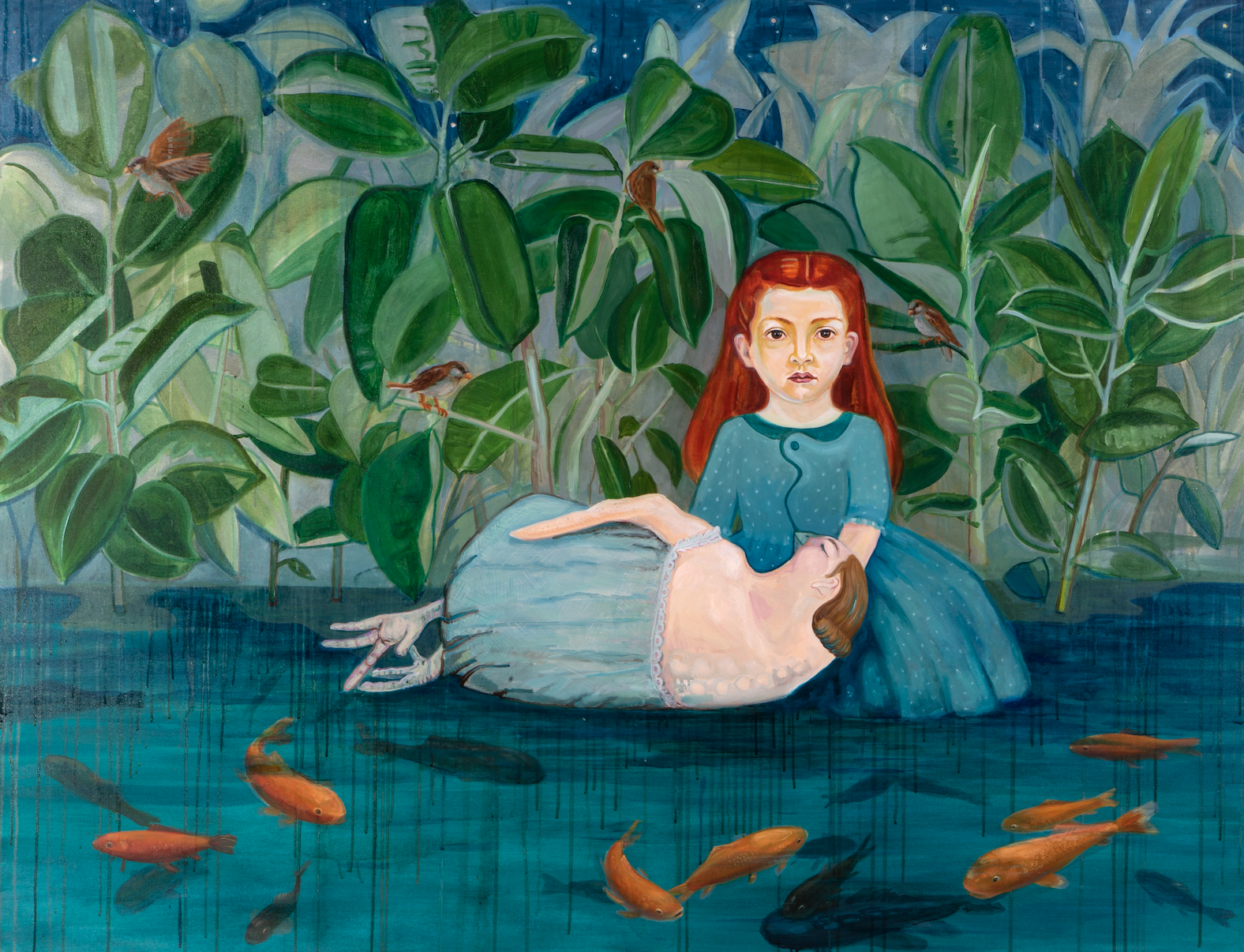
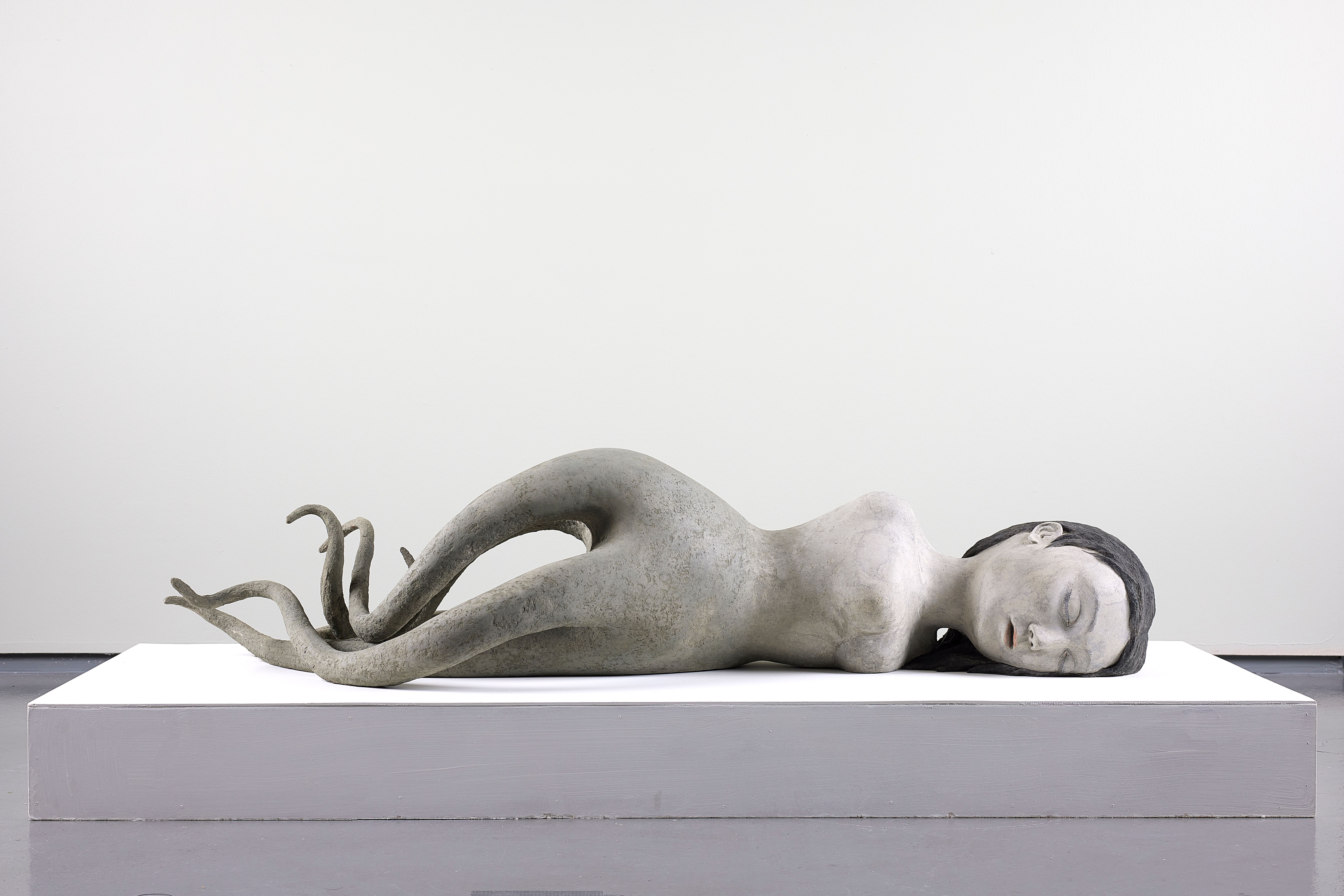
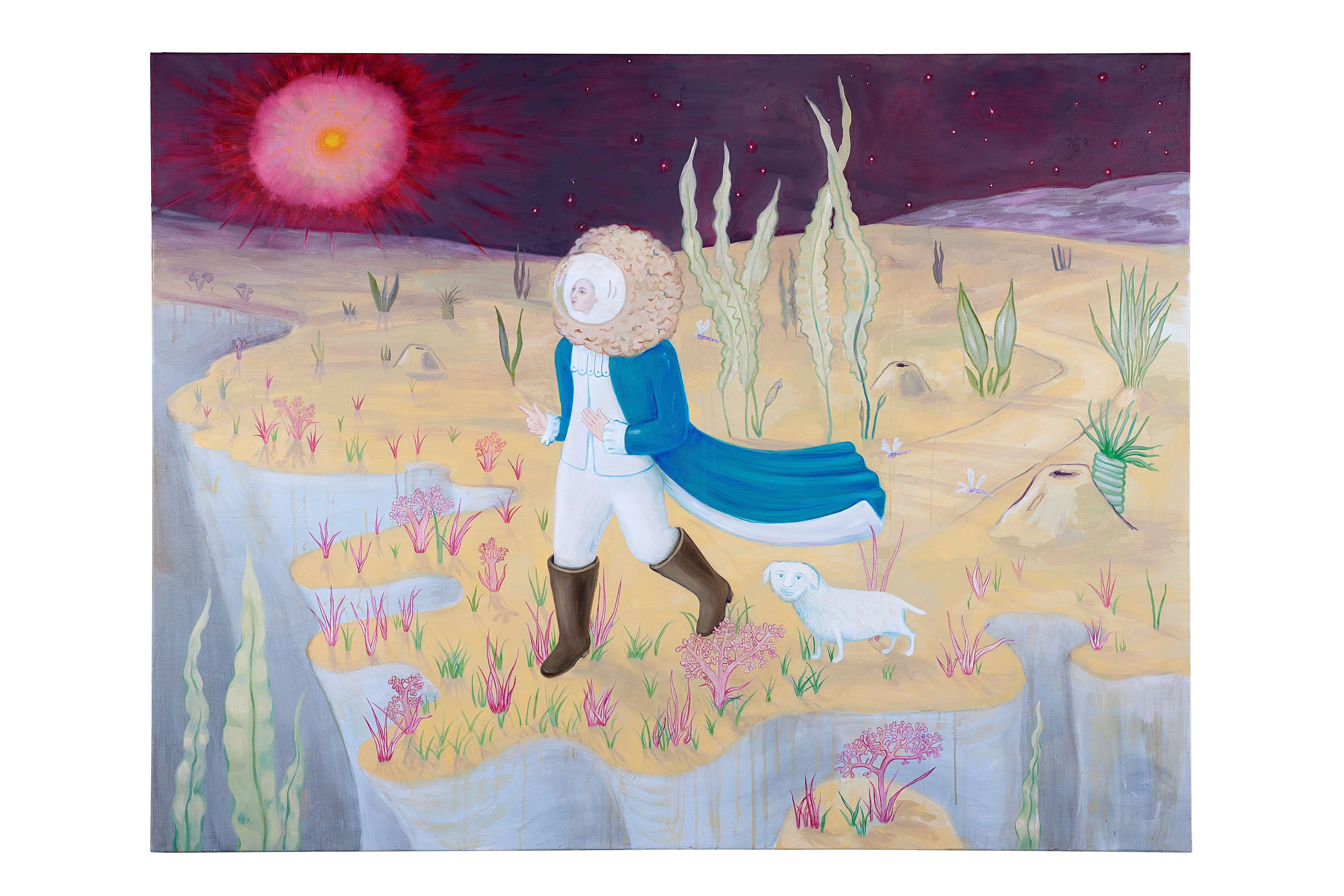
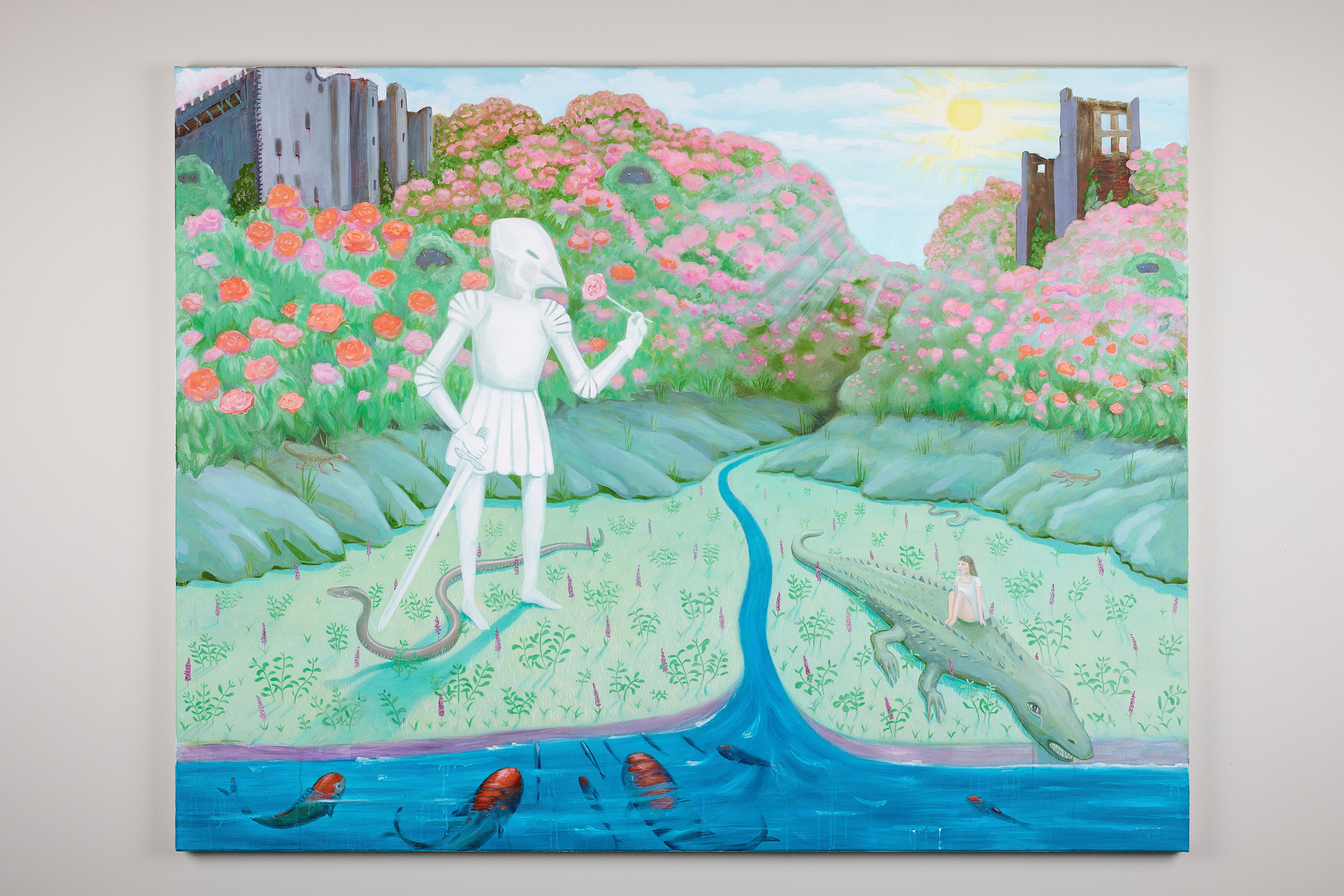
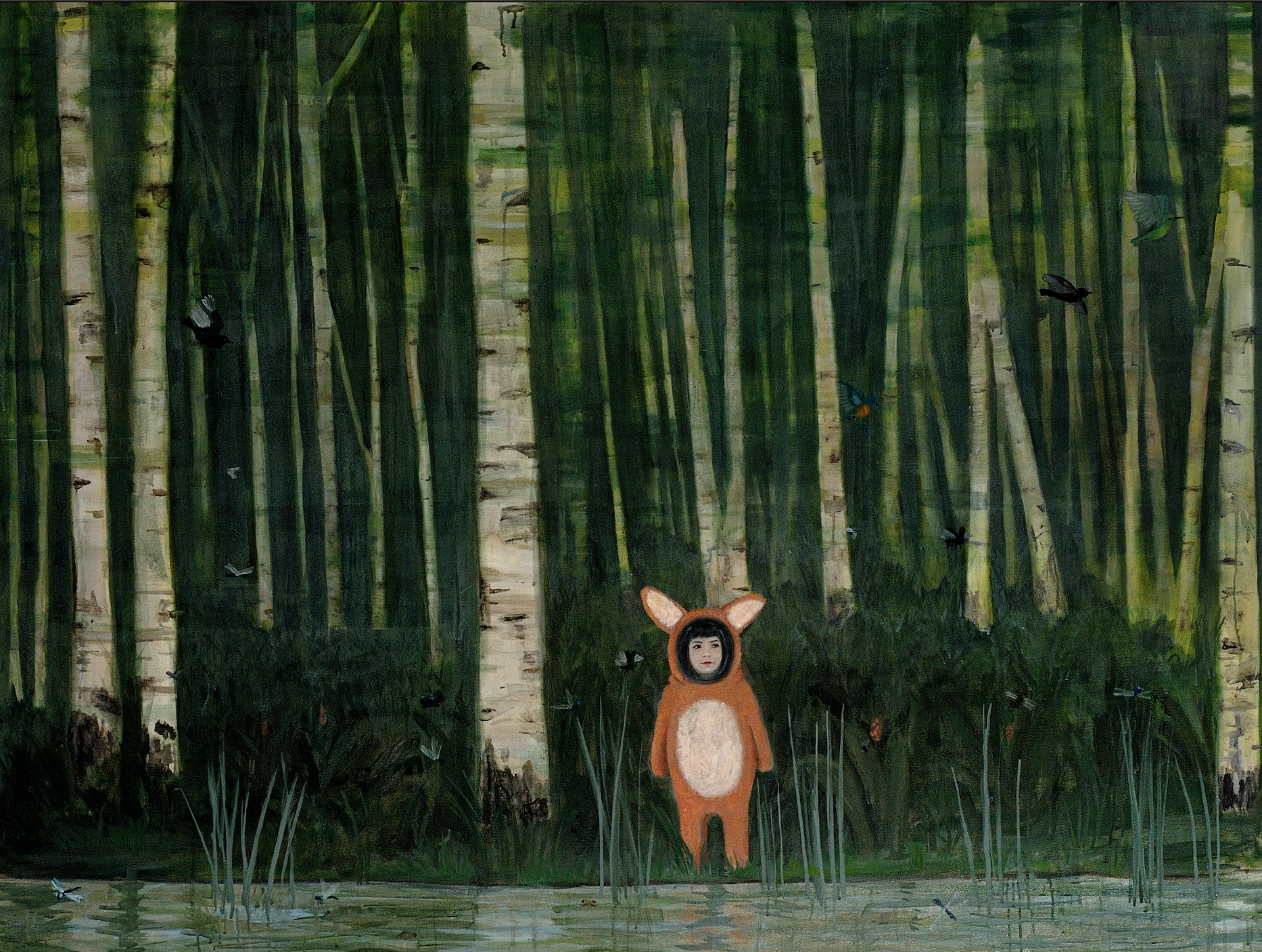
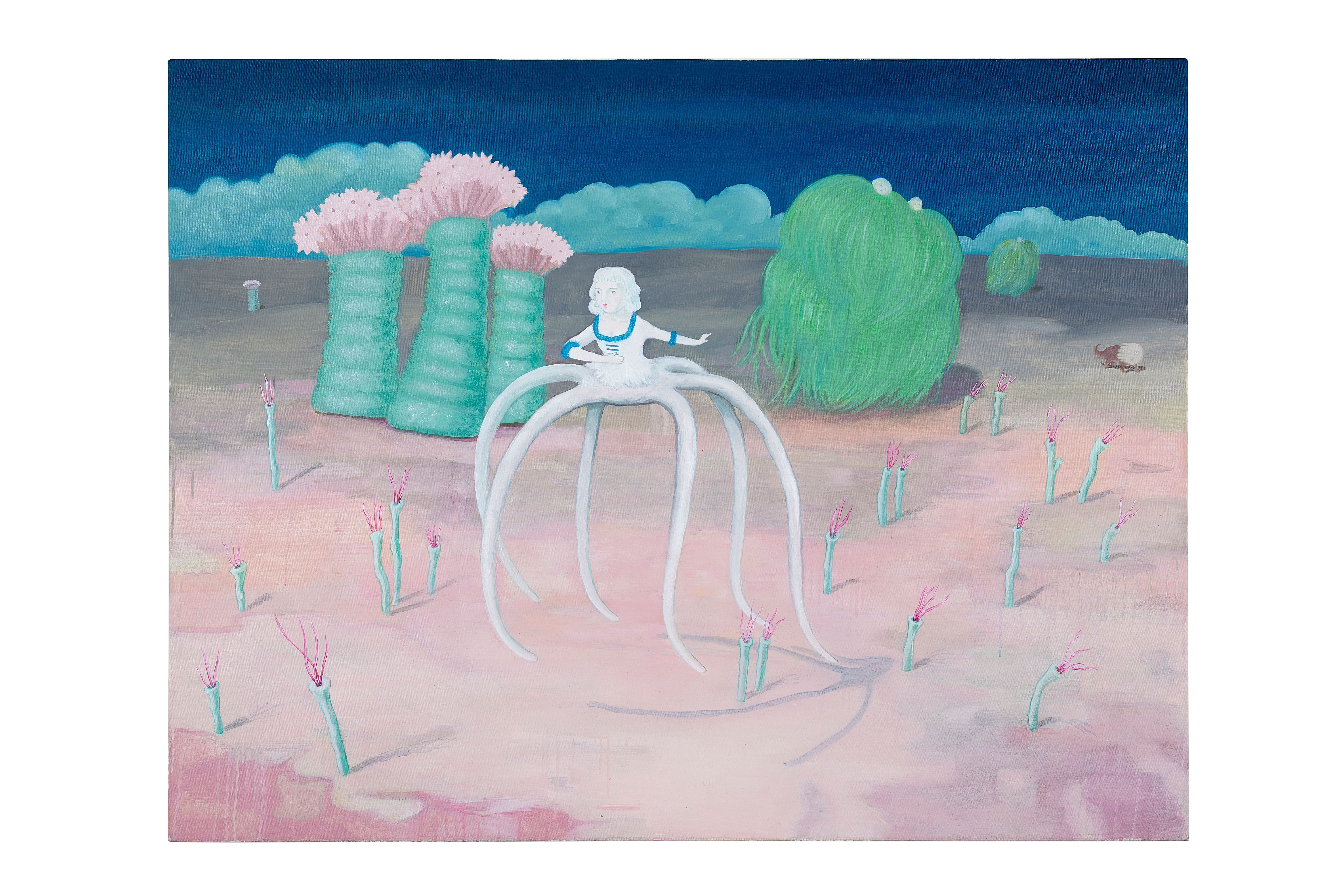
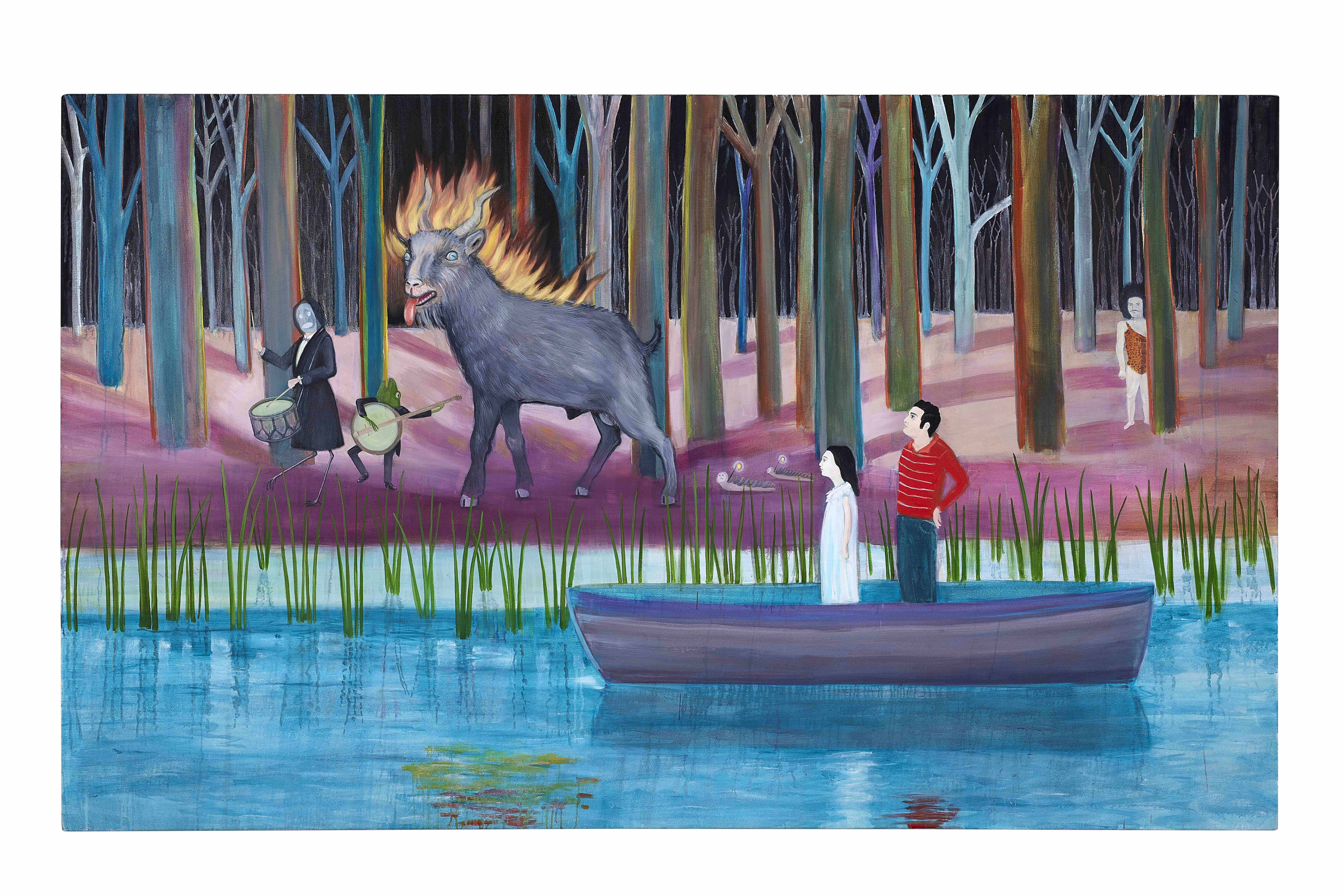
Banu Birecikligil’s practice opens up new narrative terrains around existence, blending the familiar with the uncanny and constructing worlds that wander between memory and imagination. Through symbolic figures and ambiguous spaces, she explores ancient mythologies, the presence of nature, and the tension between belonging and alienation within a realm where time, space, and meaning are in constant transformation.
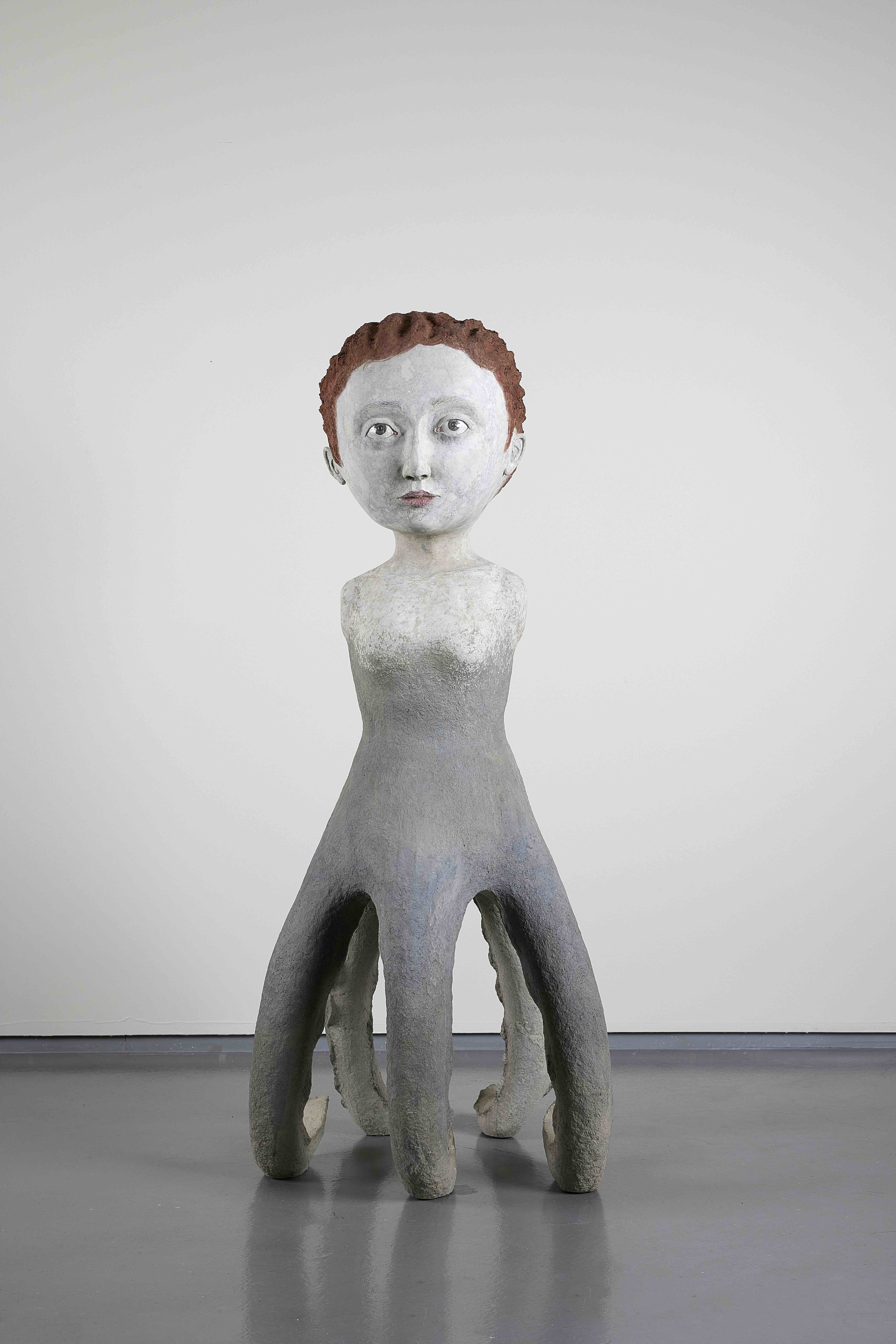
Birecikligil’s practice is situated at the intersection of the symbolic narrative tradition, early iconography, mythological surrealism, and late German figurative painting. The timelessness of her figures and the construction of space not as perspective but as a field of meaning form the foundation of her narratives. Through compositions that suggest rather than explain—compositions that build stories—this visual language, nourished by art history, evolves into a personal and contemporary mythology. The armless bodies and human–animal hybrids that appear in her paintings treat the body not as a fixed or unified structure but as a being in a state of transformation. These figures render visible the porous boundaries between human and nature, instinct and consciousness, domestication and wildness. Through diminished or hybrid bodies, identity emerges as a fragile, fluid, and continuously reconstructed narrative field.
Oil on canvas constitutes the primary medium of the artist’s practice, influenced by her academic training. Alongside this, for more than a decade she has produced three-dimensional works, working with polymer clay, ceramics, papier-mâché, and found objects. This engagement with diverse materials expands the spatial and corporeal dimensions of the narratives and figures she explores in painting.
Banu Birecikligil (b. 1970, Istanbul) graduated from the studio of Professor Özer Kabaş at the Department of Painting at Mimar Sinan University in 1995. She completed her studies at the Berlin University of the Arts (Universitat der Künste, UdK) in 2000. In 2002, she received her graduate degree in “Art in Context”.